The Greatest Prison Breaks in History, From Colditz to Escobar's La Catedral
From Colditz to the Great Escape to Escobar's La Catedral: the cleverest real prison breaks, and what they teach about planning, teamwork and improvising.
Everyone knows Alcatraz. The spoons, the dummy heads, the raft made of raincoats. But Alcatraz is one chapter in a much longer story, and some of the cleverest escapes in history happened far from San Francisco Bay.
What follows are the breakouts that worked (or nearly worked) because of how the prisoners thought. Each one says something about planning, teamwork and the art of improvising when the plan falls apart. Useful lessons whether you are tunnelling out of a castle or trying to crack a padlock with eight minutes on the clock.
Colditz Castle: When the Prison Is the Puzzle
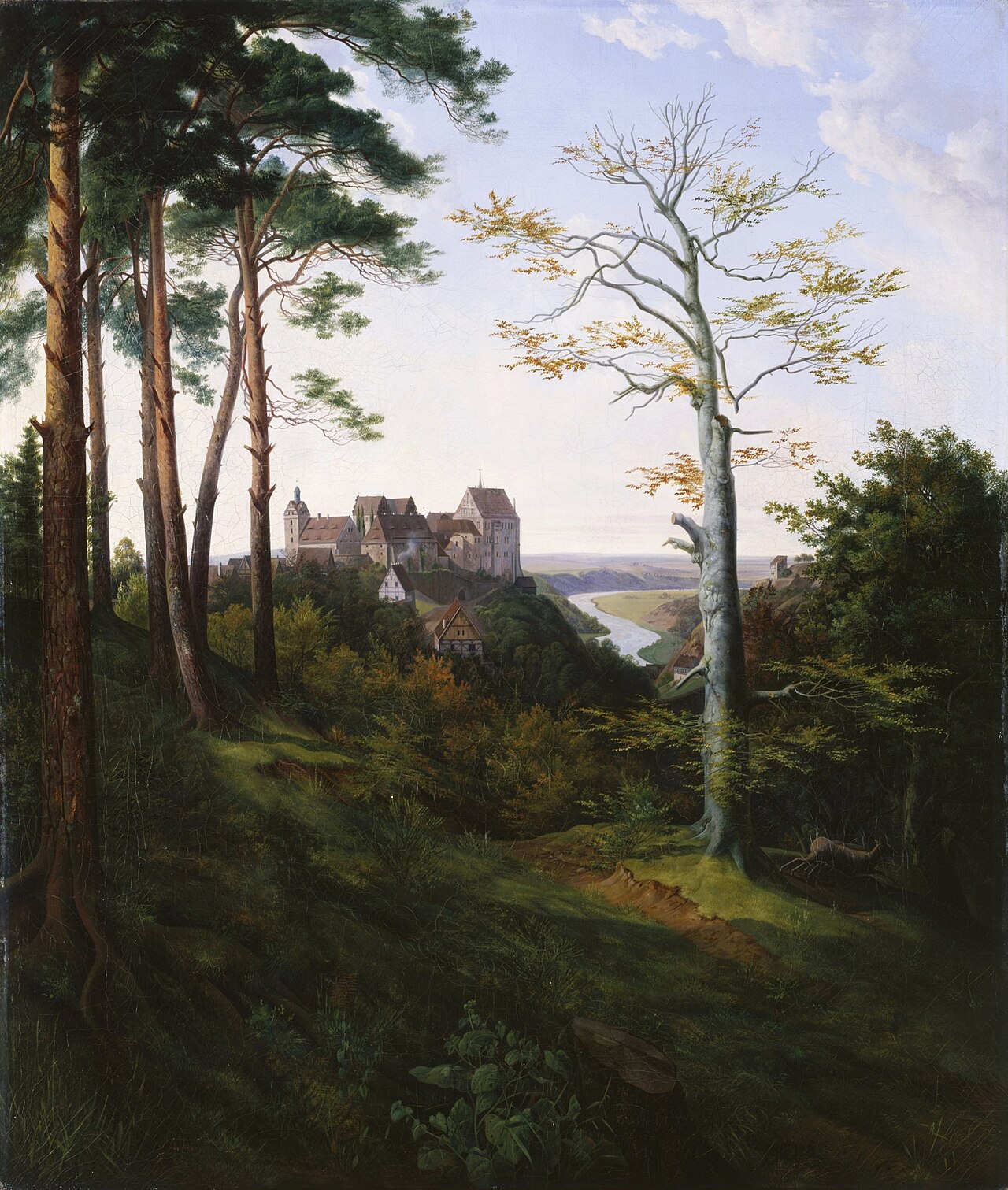
During the Second World War, the Germans used Colditz Castle in Saxony as a high-security camp for Allied officers who had already tried to escape from somewhere else. In other words, they gathered their most determined escapers in one place. It did not go entirely to plan.
In January 1942, British officer Airey Neave and Dutch officer Tony Luteyn crawled through a hole beneath the stage of the prisoners' theatre, walked out dressed in fake German uniforms and eventually reached Switzerland. Later that year, Pat Reid and three companions slipped out through the kitchens, and also made it to neutral territory.
The most ambitious idea never left the building. In a hidden attic workshop, prisoners built a two-man glider, the Colditz Cock, from bed slats, floorboards and sleeping-bag cotton, planning to launch it off the roof. The camp was liberated in April 1945 before it could fly.
The lesson: study your environment. The Colditz escapers turned the castle itself into their toolkit, from the space beneath a stage to a hidden attic workshop. The room itself was their richest source of clues.
The Great Escape: Teamwork at Industrial Scale
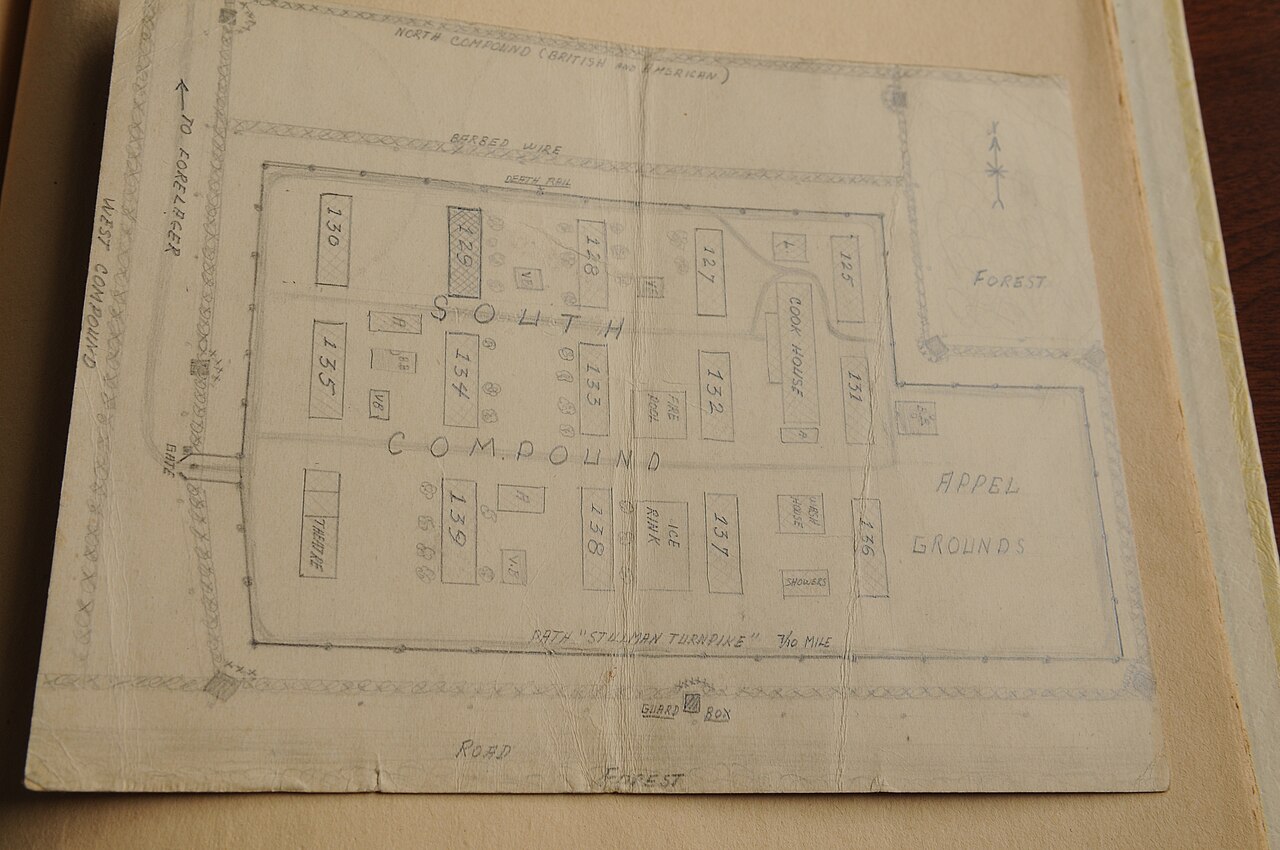
At Stalag Luft III in March 1944, 76 Allied airmen crawled out through a tunnel nicknamed Harry. It was one of three tunnels the prisoners dug, known as Tom, Dick and Harry.
The operation, led by Squadron Leader Roger Bushell, involved hundreds of men. Forgers produced documents. Tailors made civilian clothes. Others shored up the tunnel with wooden bed boards, and "penguins" dispersed the sandy yellow soil from bags hidden in their trousers, shaking it out across the camp grounds.
The ending was grim. Only three men made it home, and 50 of the recaptured escapers were executed on Hitler's orders. But as an exercise in organisation, it has rarely been matched.
The lesson: divide the work by strength. Nobody in Stalag Luft III tried to do everything. Each person owned one job, did it well and trusted everyone else to do theirs.
Alcatraz, 1962: Patience and Misdirection
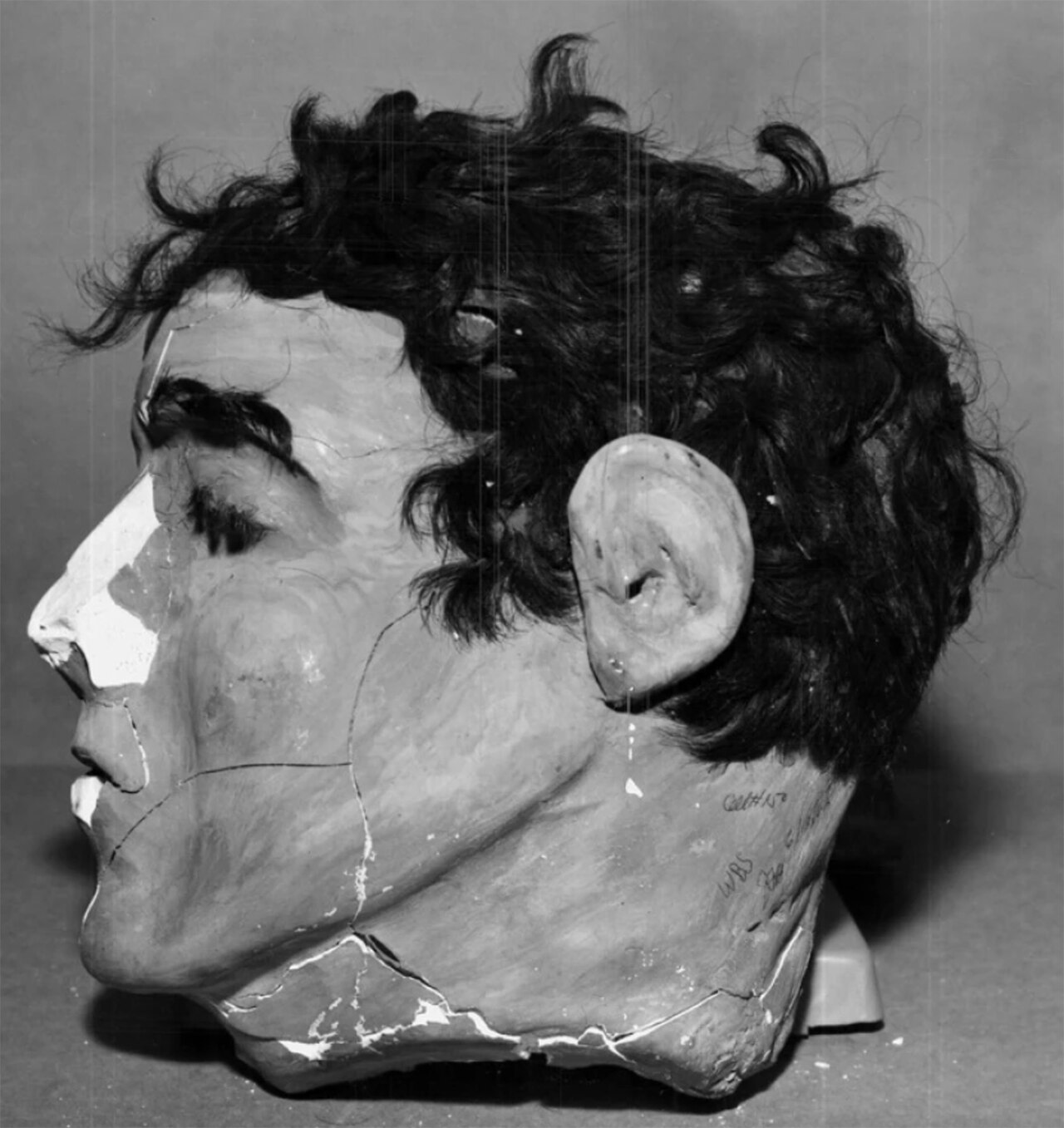
Frank Morris and brothers John and Clarence Anglin spent months widening the vents in their cells with sharpened spoons and a makeshift drill, hiding the damage behind painted cardboard. On the night of the escape, papier-mâché heads in their beds bought them hours. A fourth man, Allen West, could not get his vent open in time and was left behind.
Whether the three survived the bay is still debated. We go into the full story in Alcatraz Breakout: The True Story Behind the Escape Room.
The lesson: timing matters. West's plan was the same as the others'. He simply was not ready when the moment came.
El Chapo's Tunnel: Planning From the Outside
In 2015, Joaquín "El Chapo" Guzmán vanished from the shower area of his cell in Mexico's Altiplano maximum-security prison. Beneath it was a tunnel roughly 1.5 kilometres long, fitted with lighting, ventilation and a motorcycle on rails to carry diggers and soil.
Unlike most escapes on this list, the heavy lifting happened outside the walls. The tunnel had to surface in exactly the right spot, inside a tiny shower area the cameras did not fully cover. That level of precision takes information, and the people outside clearly had it.
The lesson: communication beats brute force. The diggers could only succeed if the details passed between inside and outside were accurate.
La Catedral: The Prison Built by Its Prisoner
Pablo Escobar's story is the strangest of all. In 1991, the Colombian cartel boss agreed to surrender, but only to a prison built to his liking on a hillside above Medellín. La Catedral, as it became known, was guarded largely by men he approved, and reports describe comforts no ordinary inmate would recognise.
In July 1992, when the government moved to transfer him to a military facility, Escobar slipped away. Accounts differ on the exact details, but in essence he did not need to break out of a prison he had shaped from the start. He was killed in Medellín some 16 months later.
The lesson: understand the system you are in. Escobar's real advantage was knowing exactly who and what controlled the walls around him. His ending is also a reminder that getting out is only half the job.
What the Great Escapers Had in Common
Strip away the castles, tunnels and cartels, and the same habits keep turning up:
- They searched everything. Loose floorboards, unwatched corners, a stage with space underneath. Nothing was assumed to be just decoration.
- They split the work. Forgers, diggers, lookouts. Clear roles meant less wasted effort.
- They shared information constantly. One person's observation became the whole team's breakthrough.
- They improvised. When a tunnel was found or a plan collapsed, the best teams adapted rather than gave up.
- They managed time. Moving too early or too late could undo months of effort.
If that list sounds like advice for an escape room, that is not a coincidence. These are exactly the skills the best teams use, and the ones that come out most clearly in corporate team building sessions, where you quickly discover who is your forger and who is your digger.
Try It Yourself (No Spoons Required)
You will not need to dig 100 metres or sew a German uniform, but our Alcatraz Breakout 2.0 room puts you in the shoes of prisoners plotting their way out of a US federal prison. It is rated Intermediate, takes 2 to 12 players and runs for 60 minutes. Like all our rooms, it is fully private, so your escape committee is made up only of people you brought.
Fancy a different kind of break-in instead? Have a look at all five of our rooms, from a beginner-friendly Egyptian tomb to an advanced art heist.
When you are ready to plan your own escape, you can book at bookeo.com/lostsg or drop by GR.iD at 1 Selegie Road, a short walk from Dhoby Ghaut, Little India and Bencoolen MRT. We are open daily from 10am, with the last game starting at 9:30pm.